In contemporary interior design, flooring has evolved from a mere functional surface into a defining aesthetic element. One of the most significant trends gaining momentum globally is the shift toward block-style geometric parquet flooring. This movement reinterprets traditional parquet patterns through a modern, modular lens, offering both visual impact and practical advantages.
Historically, achieving intricate parquet designs such as herringbone or chevron required highly skilled craftsmen working on-site for extended periods. This labor-intensive process resulted in beautiful floors but came with high installation costs and lengthy project timelines. The emerging trend of "block-style" flooring directly addresses these challenges. By transforming complex, irregular patterns into pre-assembled geometric blocks or tiles, the manufacturing process shifts complexity from the job site to the factory.
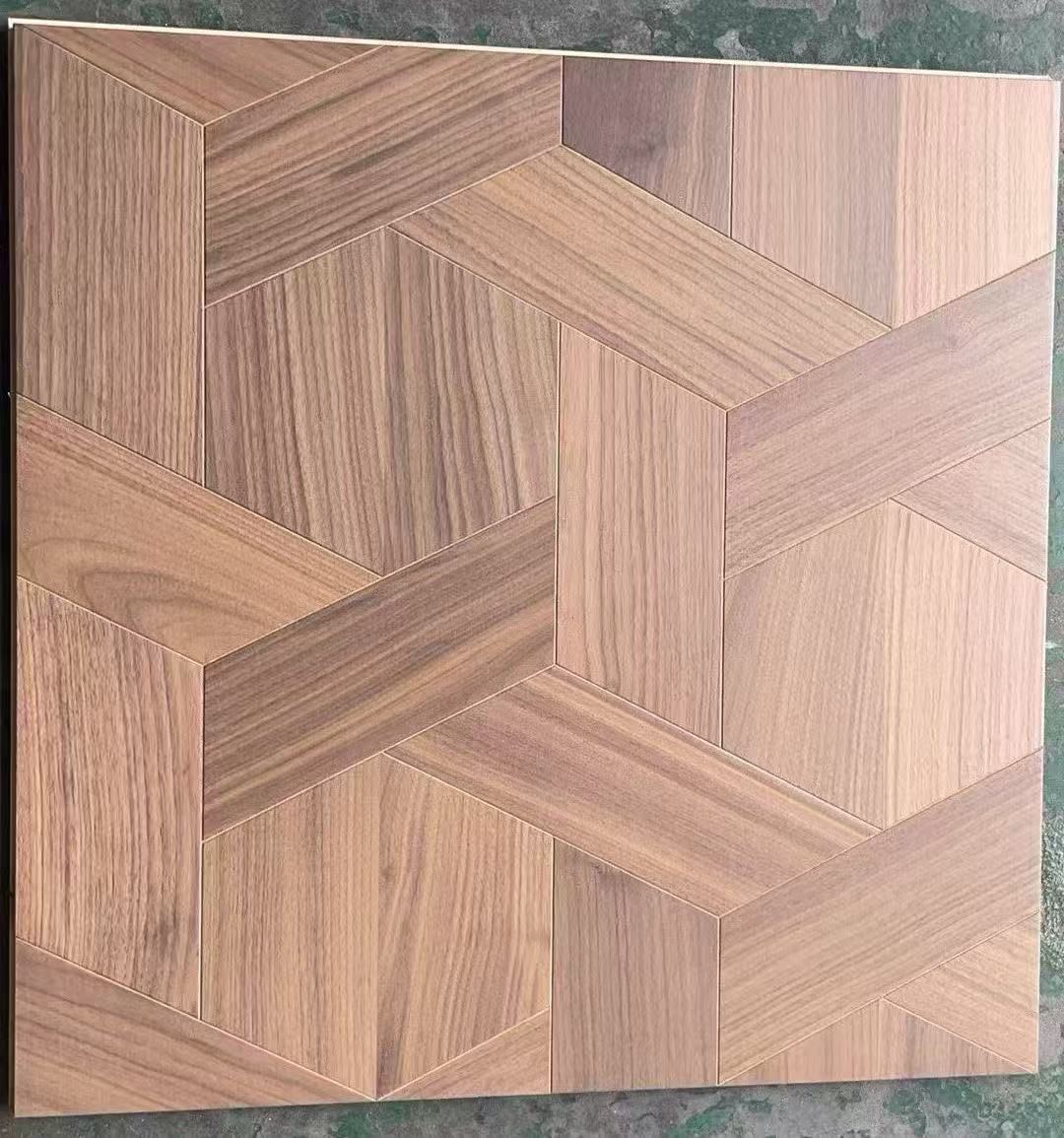
This modular approach significantly reduces the need for specialized installation labor. Instead of piecing together numerous small wooden strips individually, installers can now place larger, precisely engineered blocks that fit together seamlessly. This efficiency translates directly into lower on-site labor costs, making high-end geometric flooring far more accessible and practical, particularly in regions and countries where skilled labor is expensive. For markets in North America, Western Europe, or Australia, where construction labor constitutes a major portion of project budgets, this cost-effectiveness is a game-changer.
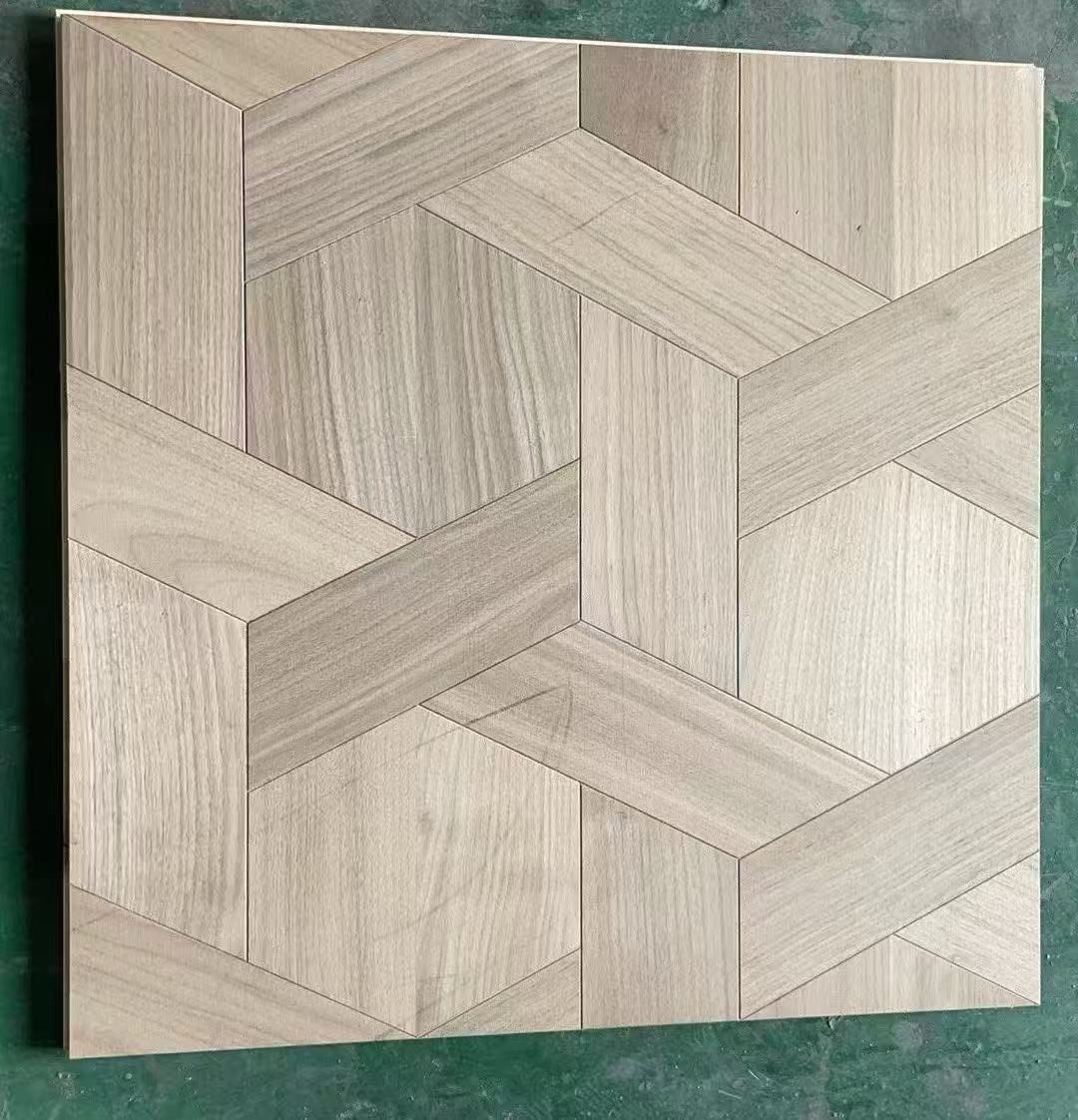
Beyond the economic benefits, these block-style floors do not compromise on design. They capture the essence of classic parquet patterns while offering enhanced stability and consistency. As the demand for distinctive, personalized spaces continues to rise, block-style geometric parquet flooring stands out as a smart solution that beautifully balances artistry, efficiency, and affordability.